By the Foodtrce team
The Inspection Brief
Technical writing on food production quality, inline vision systems, and the gap between what manual QC promises and what it actually delivers at 400 units per minute.
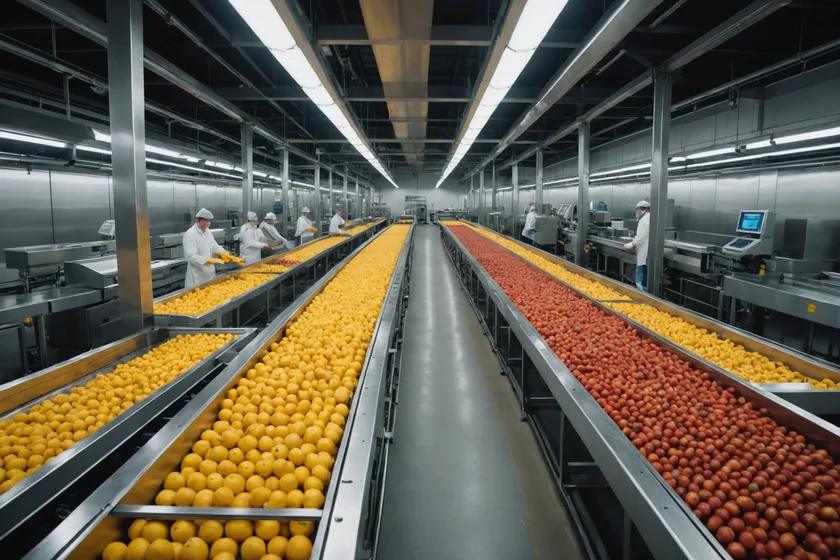
What Computer Vision Can (and Still Can't) Do in Food Sorting
Most food manufacturers encounter vision inspection for the first time when a hardware rep quotes them a six-figure CAPEX system. We explain what current CV actually detects reliably.
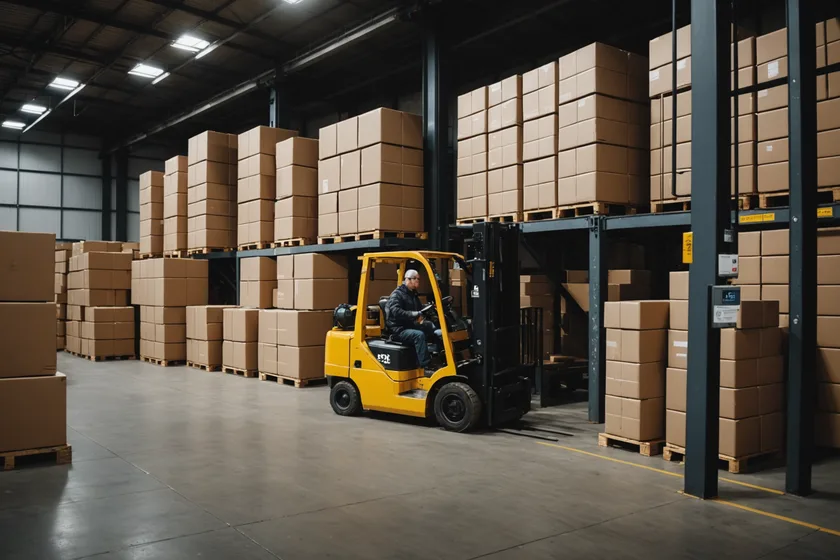
How Inline Inspection Cuts Retailer Rejections Before Shipment
Retailer dock rejections are one of the most expensive defect outcomes in food manufacturing — not because the product is unrecoverable, but because of the logistics cost.
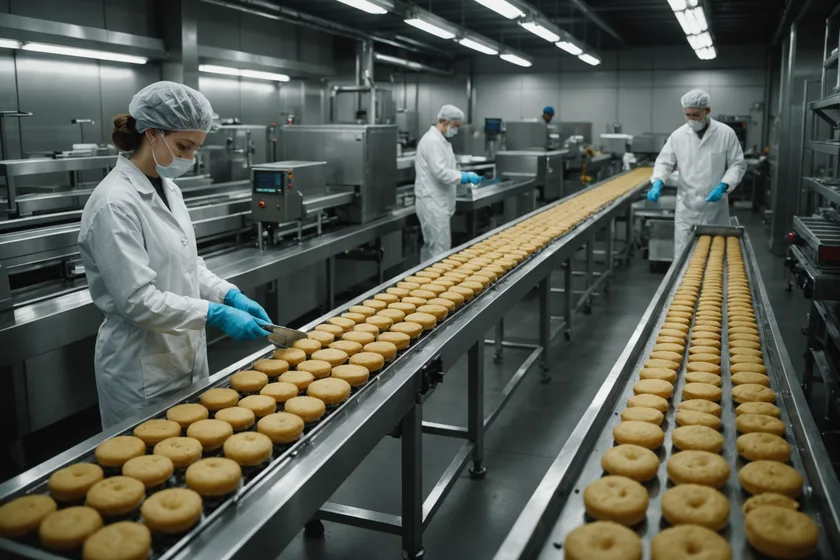
Sampling vs. 100% Inspection: The Numbers Behind the Decision
Statistical sampling is taught as rigorous. In practice, sampling 1-in-50 units at 600 units per minute means your inspector looks at 12 products per minute for roughly 4 seconds each.
Label Alignment: The Defect That's Easy to Miss and Expensive to Ship
A label skewed 2mm to the left won't fail a taste test. It will get rejected at the retailer's receiving dock if the barcode can't scan.
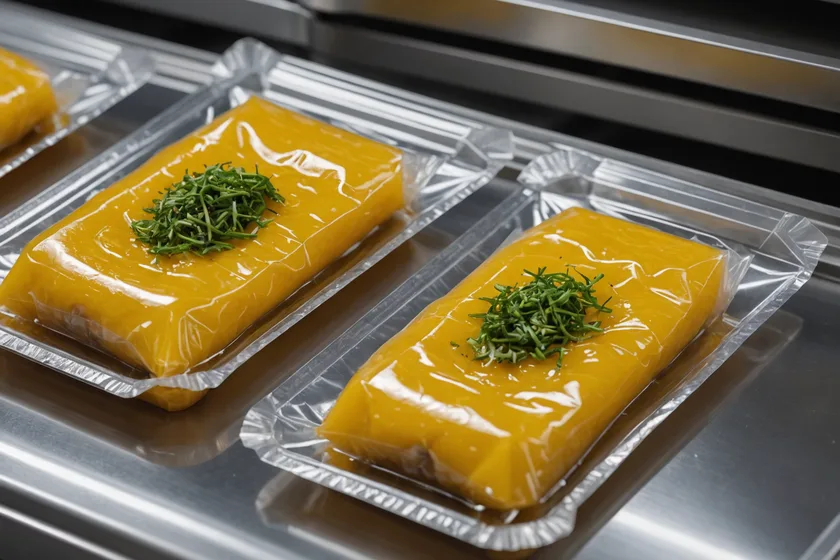
Seal Integrity Inspection Without a Force Gauge: What Vision Actually Measures
Camera-based seal inspection doesn't measure burst pressure. It detects the visible markers that correlate with seal failure: contamination, partial welds, wrinkle patterns.
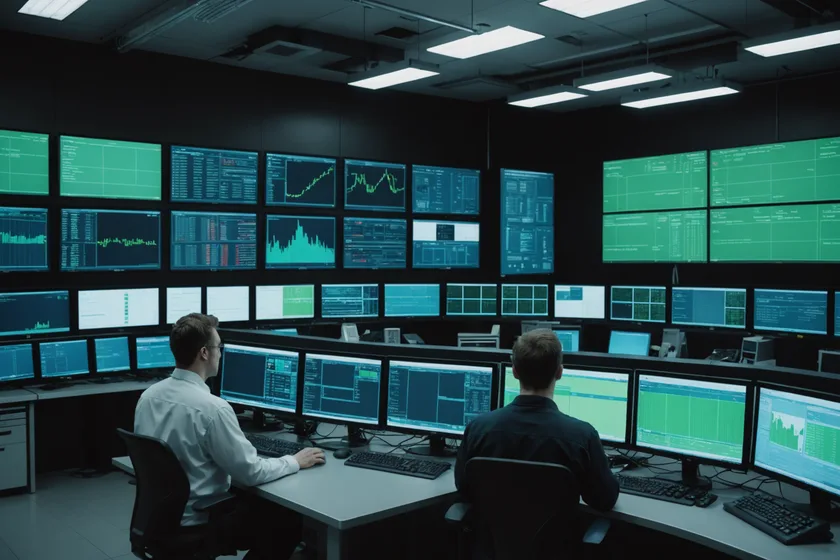
Connecting Vision Inspection to Your MES: OPC-UA, REST, and What Actually Works
Most food manufacturers want inspection events to flow into their MES. The integration options are straightforward — the tricky part is aligning timestamps and per-unit IDs.
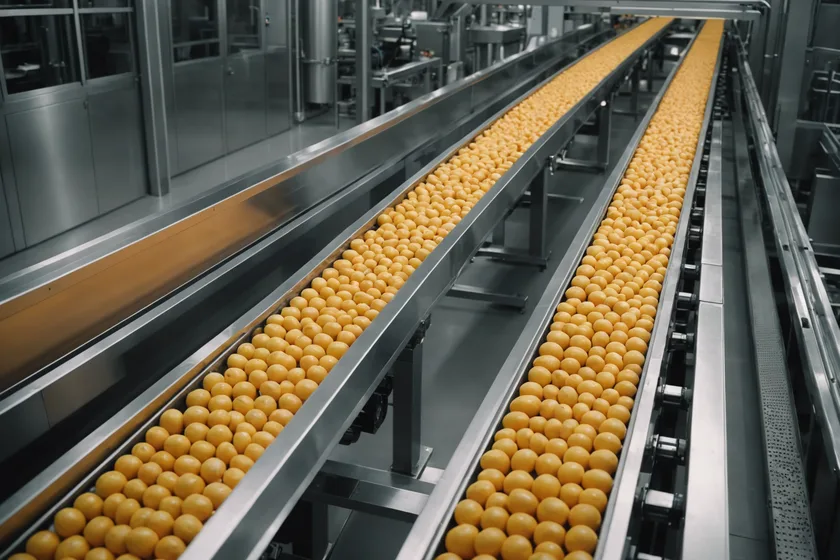
Line Speed vs. Inspection Accuracy: How to Set Thresholds That Don't Wreck Your Yield
Cranking the sensitivity up catches more real defects. It also rejects more good product. The calibration conversation is the most important one we have with a new customer.
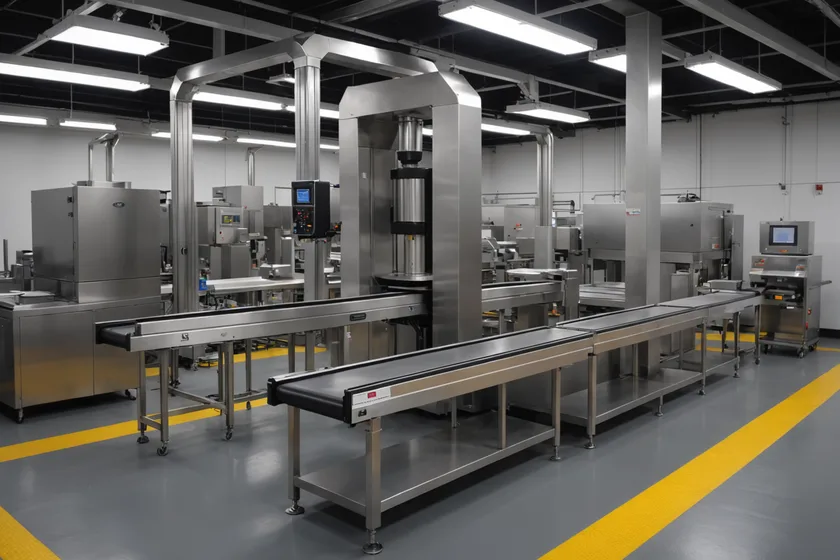
Foreign Object Detection on Food Lines: Vision's Role Alongside Metal Detection
Metal detectors catch ferrous and non-ferrous metals. X-ray catches dense objects. Camera vision catches something different: surface-visible contaminants and packaging fragments.
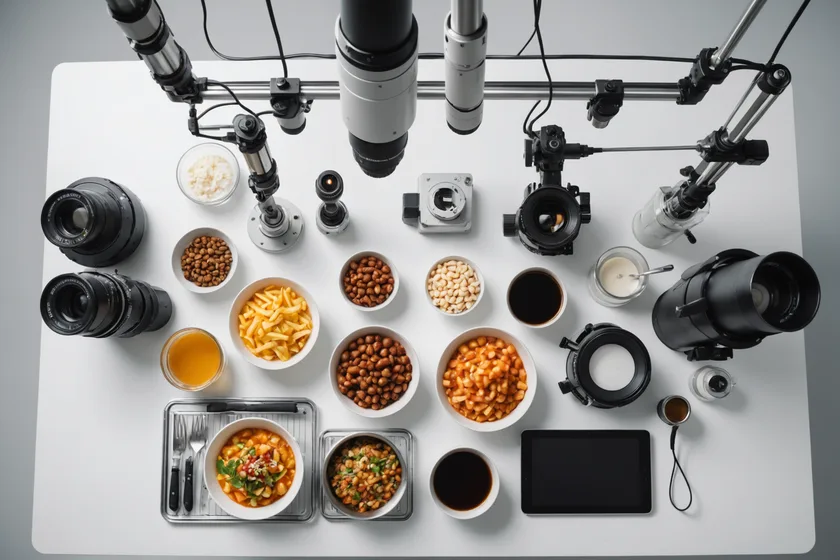
Building a Defect Training Dataset on a Live Production Line
Defect data is expensive to collect because defects are rare. We describe our collection approach: how many images you need, how to create representative synthetic variants.
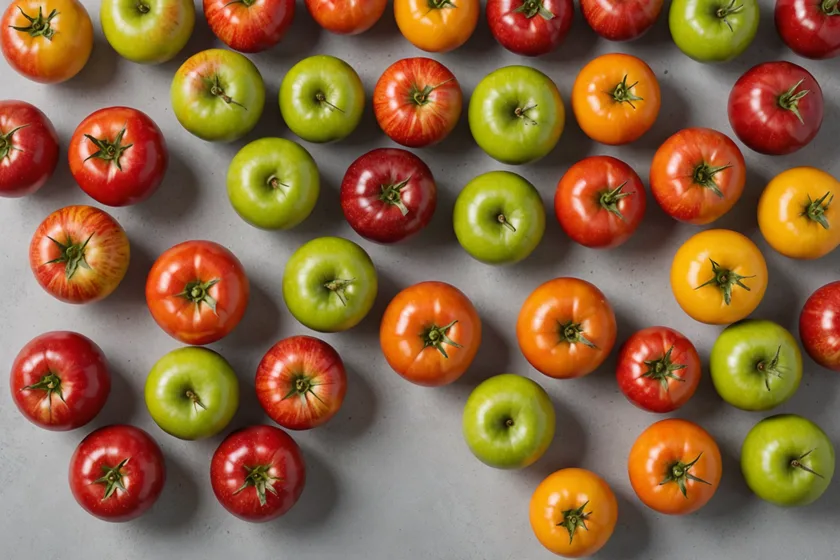
Color Grading Fresh Produce with Machine Vision: Beyond 'Red Enough'
Produce color grading used to mean a trained human eye under consistent lighting. Camera-based grading measures delta-E against a per-SKU reference — consistent and documented.
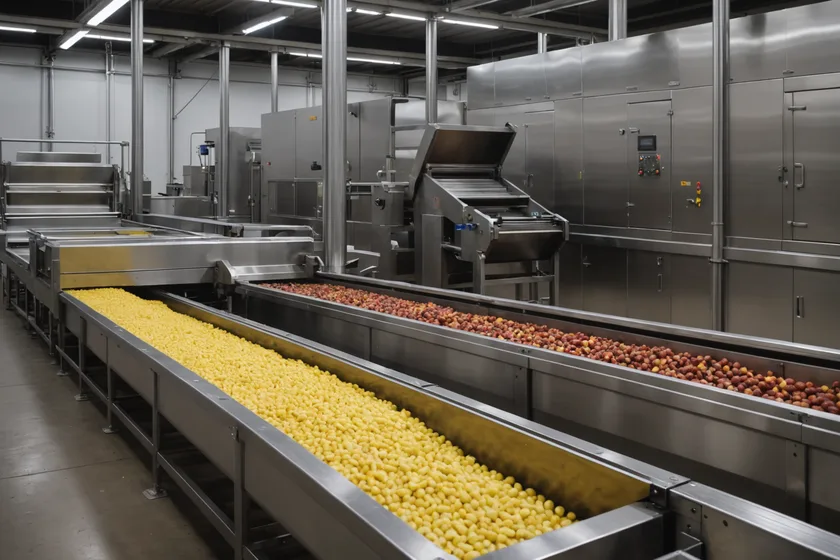
Why Your False Reject Rate Matters as Much as Your Detection Rate
Every false reject is a good unit in the waste bin. At 400 units per minute, a 2% false reject rate throws away 480 units per hour. We explain how threshold tuning brings this down.
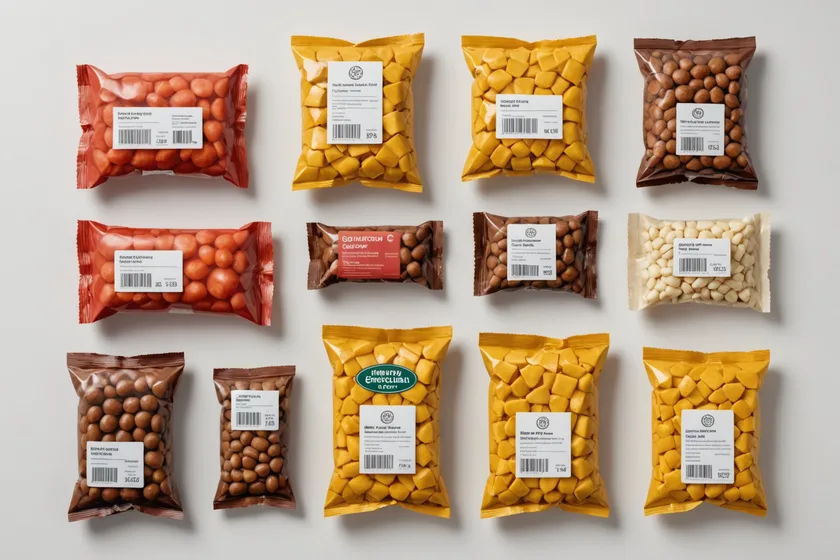
A Practical Taxonomy of Packaging Defects for Food QA Teams
QA teams in food manufacturing often discover that their defect classification system grew organically — different inspectors use different terms for the same fault. We propose a working taxonomy.