Our Story
We built Foodtrce because spot-checking is a lie.
One-in-fifty random samples guarantees you'll ship defects. We replaced it with 100% inline vision — every unit, every frame, every run.

The production floor doesn't lie. The clipboard does.
Before founding Foodtrce, Simone spent three years in food-tech consulting embedded inside mid-size manufacturers — the Midwest's contract packers and regional processors, not the large nationals with automated lines. Every engagement exposed the same pattern: a retailer rejection or a mini-recall would prompt a headcount increase on the inspection station. Within six months the staff would turn over or get reassigned, and the rejection rate would creep back up. The problem was never effort.
The problem was mathematics. An inspector sampling 1-in-50 units at 500 units per minute inspects 10 products per minute — roughly 4 seconds per unit, on a moving line, for a full shift. Clustered defects, the kind that generate chargebacks and trigger FSMA-era recall investigations, don't follow statistical sampling assumptions. They come in runs of 20 consecutive units or 200. A 1-in-50 sample will miss them every time.
In 2023, Simone co-founded Foodtrce to build the system she kept wishing her clients had: a camera on every line, inference running on-premises, reject gate firing before the unit reaches end-of-line pack-out. Not a replacement for QA staff — a tool that gives QA teams the coverage they were never going to get by hand.
The Team
Four people. All with direct production floor experience.
Three years in food-tech consulting before Foodtrce, working inside manufacturing QA teams. Built the product around the specific failure modes she observed in manual sampling programs. Runs customer deployments personally for the first three installs of each new product category.

Background in embedded vision systems for industrial applications. Designed the edge inference architecture to meet the sub-8ms PLC signal requirement at 800 u/min. Responsible for hardware compatibility and deployment tooling.
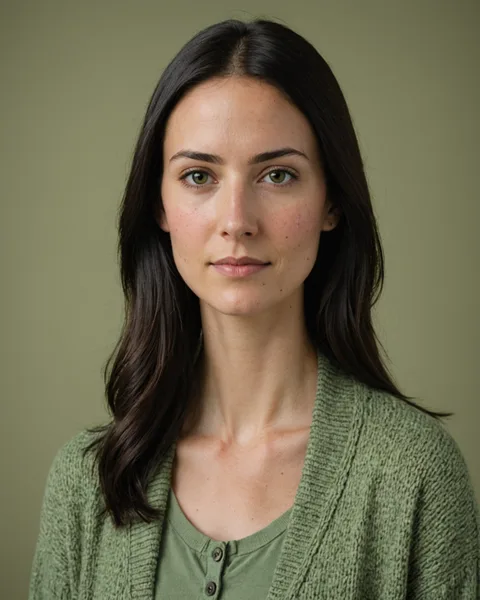
Crossover background in food science and computer vision. Developed the defect training methodology used across all customer deployments — specifically the data collection protocol that gets from 200 images to a production-ready model. Oversees all model validation and accuracy benchmarking.
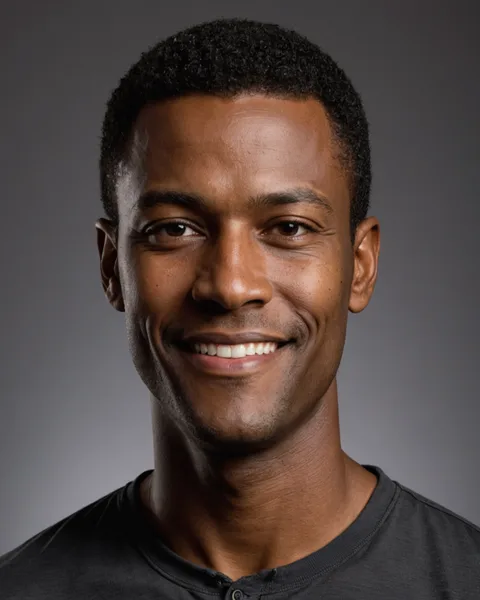
Food manufacturing operations background — spent five years on the plant floor at a contract packing facility before moving into technology. Manages every customer from pilot through steady-state, with particular focus on threshold calibration and the first 90 days of deployment.
How we work
Three things we don't negotiate on
We don't sell "AI vision inspection." We sell a system that catches bruising above 5mm², label skew beyond ±0.5mm, and seal contamination at 800 units per minute on your line, trained on your product. If a vendor can't tell you their detection threshold for your specific defect class, they haven't solved your problem yet.
Every pilot starts with Foodtrce personnel on-site for deployment and initial threshold calibration. We've found that the single most valuable thing we can do for a new customer isn't writing a proposal — it's standing next to the line for one shift with the QA manager, watching what actually gets through. That conversation shapes the model configuration more than any intake form.
Your product images, your defect labels, your production data — they live on your edge node. We never use one customer's defect data to train models for another customer. We know this matters in food manufacturing, where product formulas and defect patterns are proprietary operational knowledge. It isn't a talking point. It's a hard constraint in our architecture.
Curious how we'd set up on your line?
Tell us your line speed, product category, and the defect that's costing you most. We'll give you a specific answer.